
Introsea Webinar Series #1 : Synchronization of Upstream–Downstream Regulations to Strengthen the Competitiveness of Indonesian Seaweed

2026-05-27
2026-05-27
Indonesia has long been recognized as one of the world’s leading seaweed producers. Contributing around 28% of global seaweed production, the country currently ranks second worldwide after China. Yet despite this enormous production capacity, Indonesia still faces a critical challenge: how to build a more integrated upstream-to-downstream ecosystem that not only increases production volume, but also strengthens quality, traceability, value-added processing, and global competitiveness.
This issue became the central focus of a webinar organized by INTROSEA on April 24, 2026, titled “Synchronization of Upstream–Downstream Regulations to Strengthen the Competitiveness of Indonesian Seaweed”. The discussion closely reflects Introsea’s vision of empowering, connecting, and educating the Indonesian seaweed community. Through this webinar, Introsea created a space for knowledge-sharing and cross-sector collaboration, supporting its mission to improve seaweed quality, strengthen farmer and MSME participation, encourage innovation, and connect different actors across the value chain. The webinar brought together Introsea members and stakeholders from across the seaweed sector, including representatives from the Directorate of Seaweed under the Ministry of Marine Affairs and Fisheries and the Postharvest Quality Center.
Indonesia Holds Massive Potential in the Global Seaweed Industry
The webinar highlighted how global demand for seaweed continues to expand rapidly beyond traditional food applications. By 2030, seaweed is projected to play a growing role in industries such as biostimulants, aquaculture feed, pet food, healthy foods, bioplastics, textiles, and even construction materials.
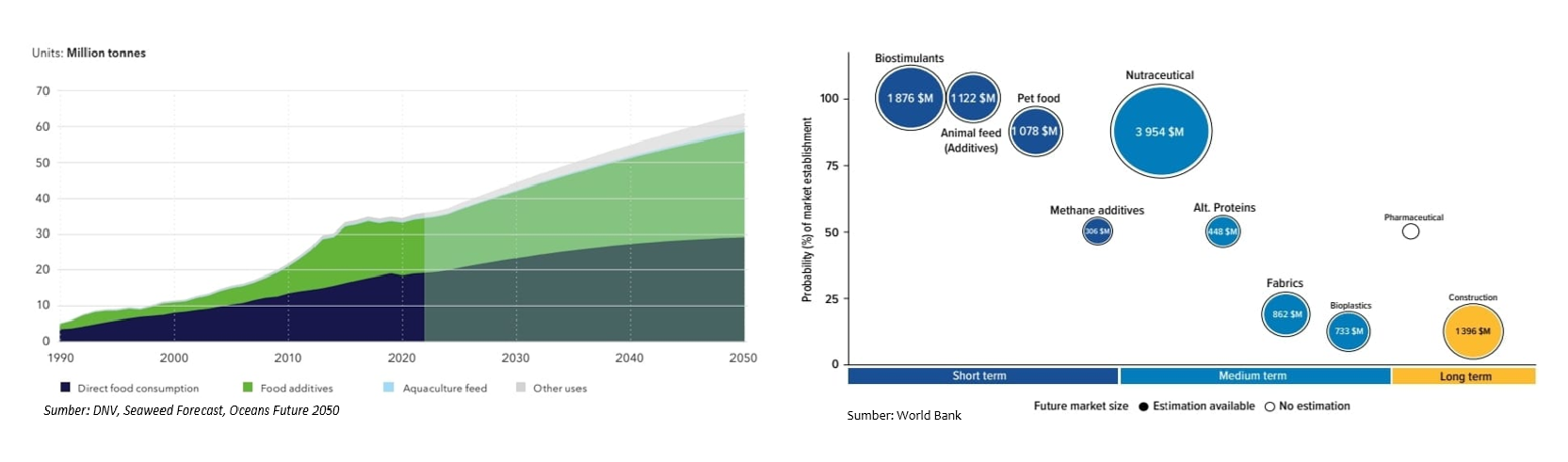
Image 1 : Expanding global demand and future market opportunities.
Indonesia itself is targeting seaweed production of more than 14 million tons by 2029, supported by its vast coastal resources and long-standing cultivation activities across regions such as South Sulawesi, East Nusa Tenggara, North Kalimantan, and Maluku.
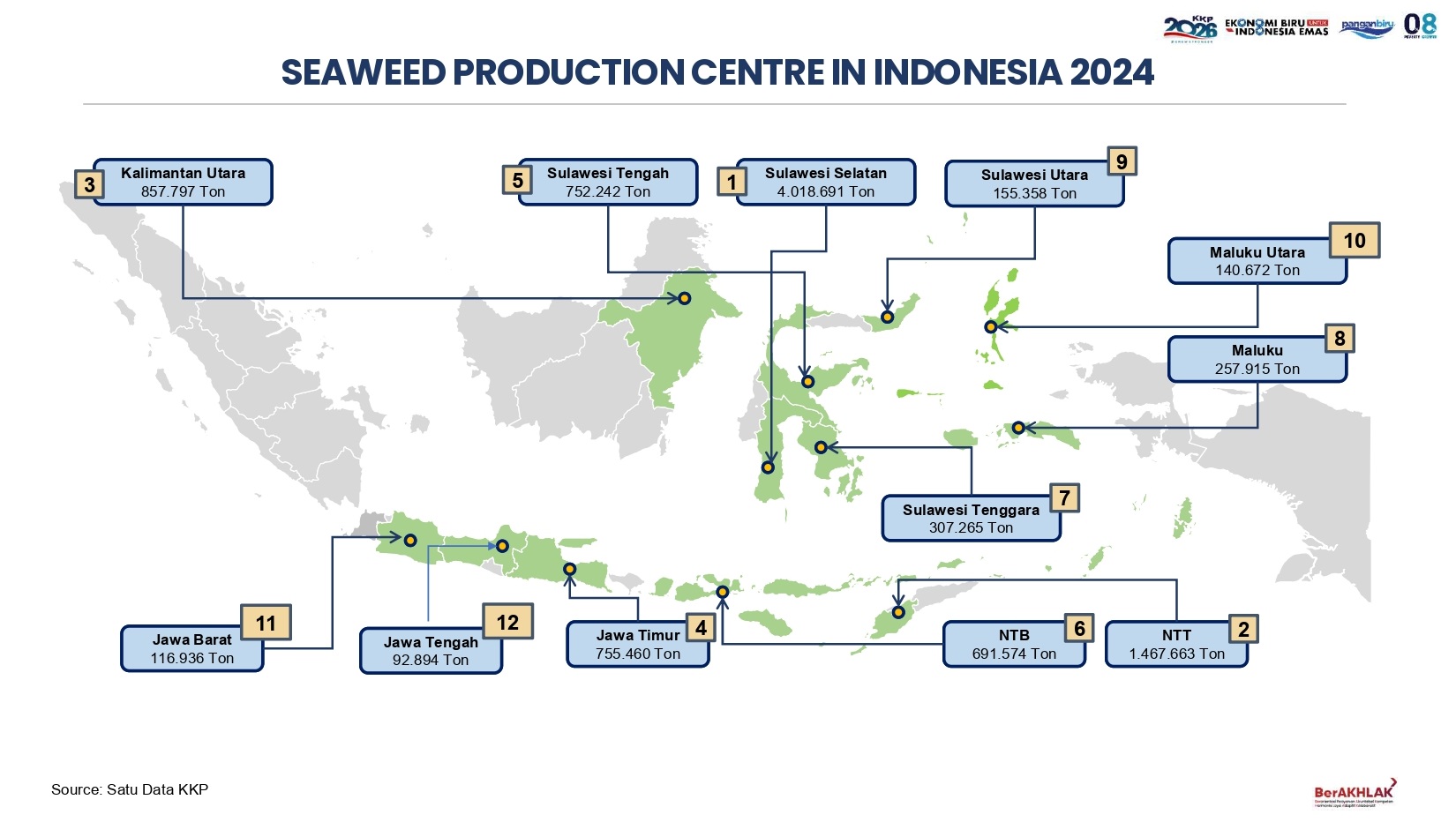
Image 2 : The geographic distribution of Indonesia’s major cultivation areas.
The country is also home to over 1,000 seaweed species, although only a small portion are currently cultivated commercially. Today, Indonesian production remains dominated by Kappaphycus alvarezii (cottonii), followed by spinosum and gracilaria.
Challenges Beyond Production Volume
While Indonesia’s production scale is impressive, the webinar emphasized that increasing output alone is not enough to strengthen competitiveness.
Several structural challenges continue to affect the industry, including:
🔹Limited availability of high-quality seedlings
🔹Dependence on traditional farming methods
🔹Low mechanization in cultivation and postharvest activities
🔹Inconsistent dried seaweed quality
🔹Limited access to premium export markets
🔹Environmental concerns from plastic-based cultivation materials
🔹Fragmented upstream and downstream systems
Many cultivation activities are still highly manual, from seed tying and harvesting to drying and transportation. Postharvest handling infrastructure also remains relatively basic in many production areas.
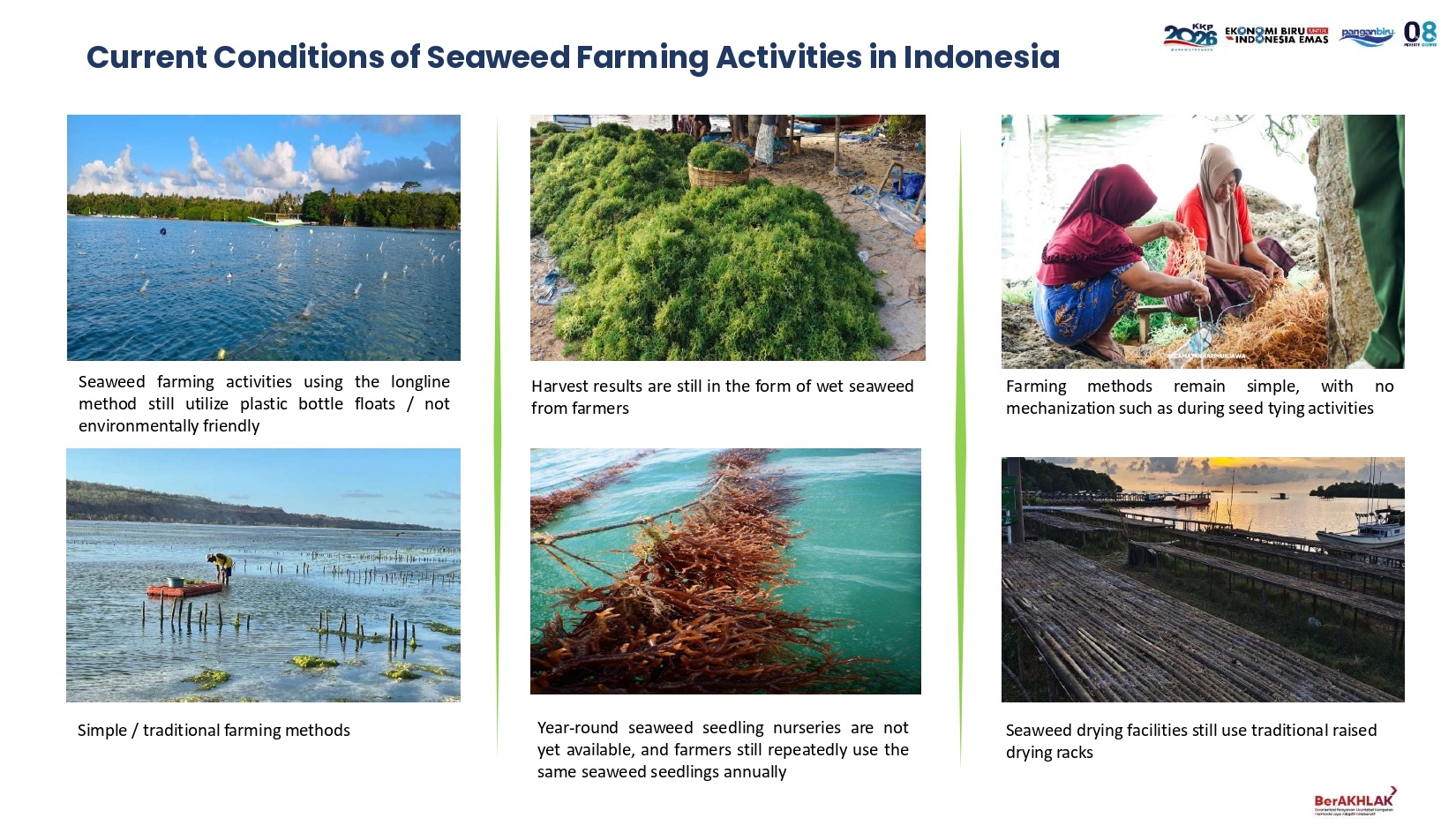
Image 3 : Real cultivation conditions, including manual farming practices, drying facilities, and environmental challenges.
Strengthening Downstream Development Through Regulatory Harmonization
One of the webinar’s strongest messages was the importance of regulatory synchronization between upstream cultivation, postharvest handling, processing industries, and export systems. Indonesia is currently strengthening its seaweed development strategy through the preparation of the Integrated Seaweed Development Action Plan (ISDAP) 2026–2030. This initiative aims to create a more coordinated and sustainable national seaweed ecosystem.
The action plan is built upon five key pillars:
🔹Improving production quality and productivity
🔹Developing downstream industries and value-added processing
🔹Strengthening data, innovation, and collaboration
🔹Expanding financing and investment support
🔹Improving governance and regulatory systems
Seaweed has also been identified as a priority commodity within Indonesia’s National Medium-Term Development Plan (RPJMN) 2025–2029, reflecting the government’s intention to position seaweed as a key contributor to economic growth, industrial downstreaming, and export development.
Quality Standards and Certification Are Becoming Increasingly Important
Another major topic discussed during the webinar was the strengthening of quality assurance systems throughout the seaweed supply chain. As global markets become more demanding, Indonesian seaweed products are increasingly required to comply with international standards related to food safety, traceability, sustainability, and processing practices.
To address this, the government continues to strengthen various certification systems and standards, including:
🔹SKP (Processing Feasibility Certificate)
🔹HACCP
🔹SPDI
🔹CBIB
🔹National Indonesian Standards (SNI)
These systems are designed to improve consistency, product safety, export readiness, and buyer confidence.
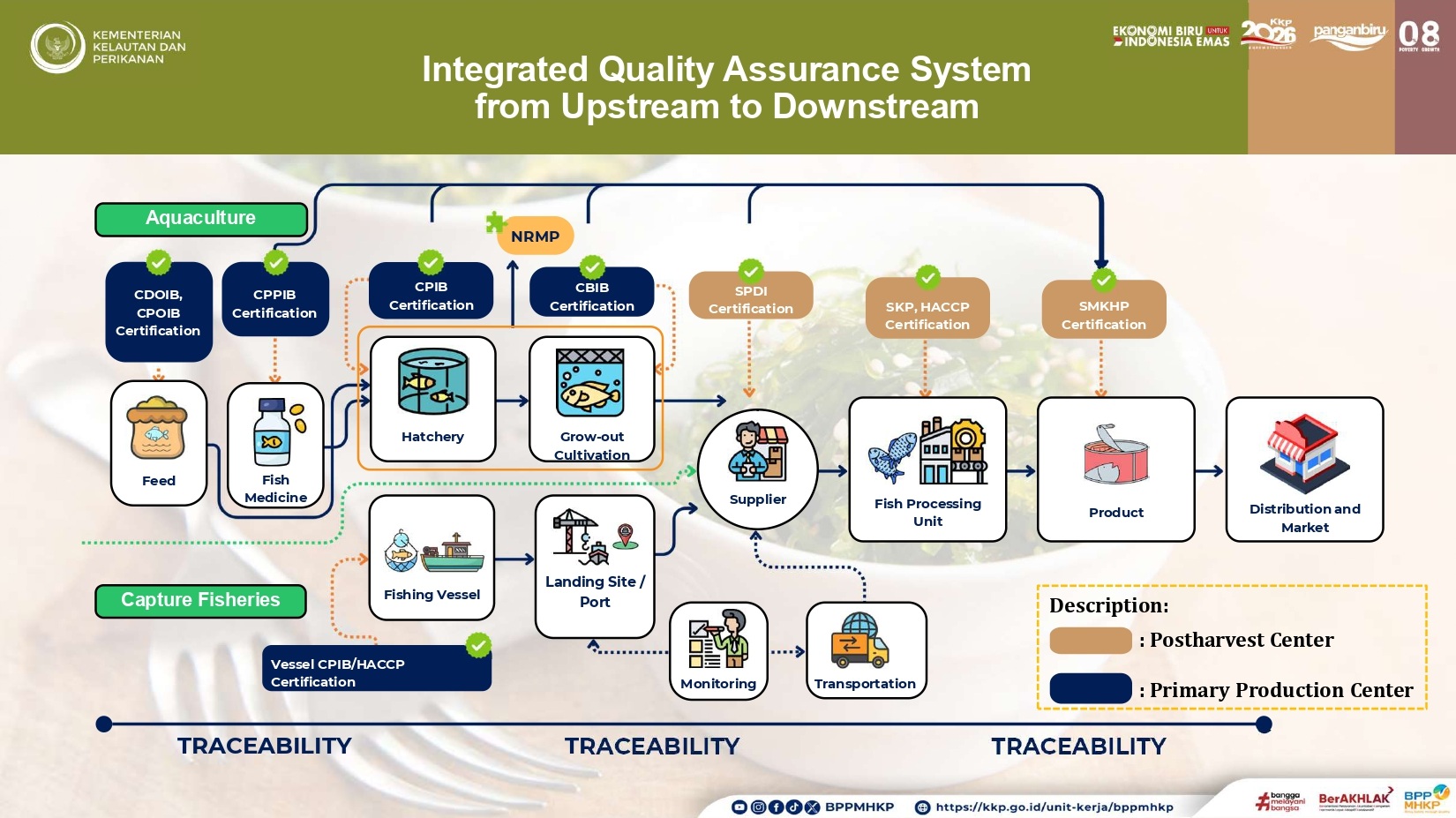
Image 4 : The role of certification, traceability, and standardized quality management.
The webinar also highlighted the growing importance of harmonized inspection systems and standardized checklists for seaweed commodities to ensure consistent implementation across institutions and regions.
Building a More Integrated Future for Indonesia’s Seaweed Industry
The discussions reflected a broader shift in Indonesia’s seaweed industry. The future of Indonesian seaweed will no longer depend solely on production scale, but increasingly on how effectively the country can integrate cultivation, postharvest systems, processing industries, certification, logistics, and export readiness into one coordinated ecosystem.
With global demand continuing to diversify and expand, Indonesia has a significant opportunity not only to remain one of the world’s largest producers, but also to become a global leader in seaweed innovation, downstream industries, and sustainable blue economy development.
Achieving this vision, however, will require strong collaboration among farmers, regulators, researchers, investors, processors, and industry communities. Regulatory synchronization and consistent quality standards may ultimately become the foundation that enables Indonesian seaweed to move up the global value chain and compete more strongly in international markets.
Source: Webinar materials from Introsea, April 24, 2026.
Contact Person : Sekretariat Introsea, Bapak Didit Adiputra
Other Article
Introsea Webinar Series #2 : Transforming Indonesia’s Seaweed Industry for Food Self-Sufficiency and Global Competitiveness
2026-06-11

A Tribute to the Voices in "Stories of Hope for Our Ocean"
2025-11-20
Strengthening Regional Cooperation: Highlights from the 15th ASIC Meeting in Tawau
2025-09-18