
Introsea Webinar Series #2 : Transforming Indonesia’s Seaweed Industry for Food Self-Sufficiency and Global Competitiveness

2026-06-11
2026-06-11
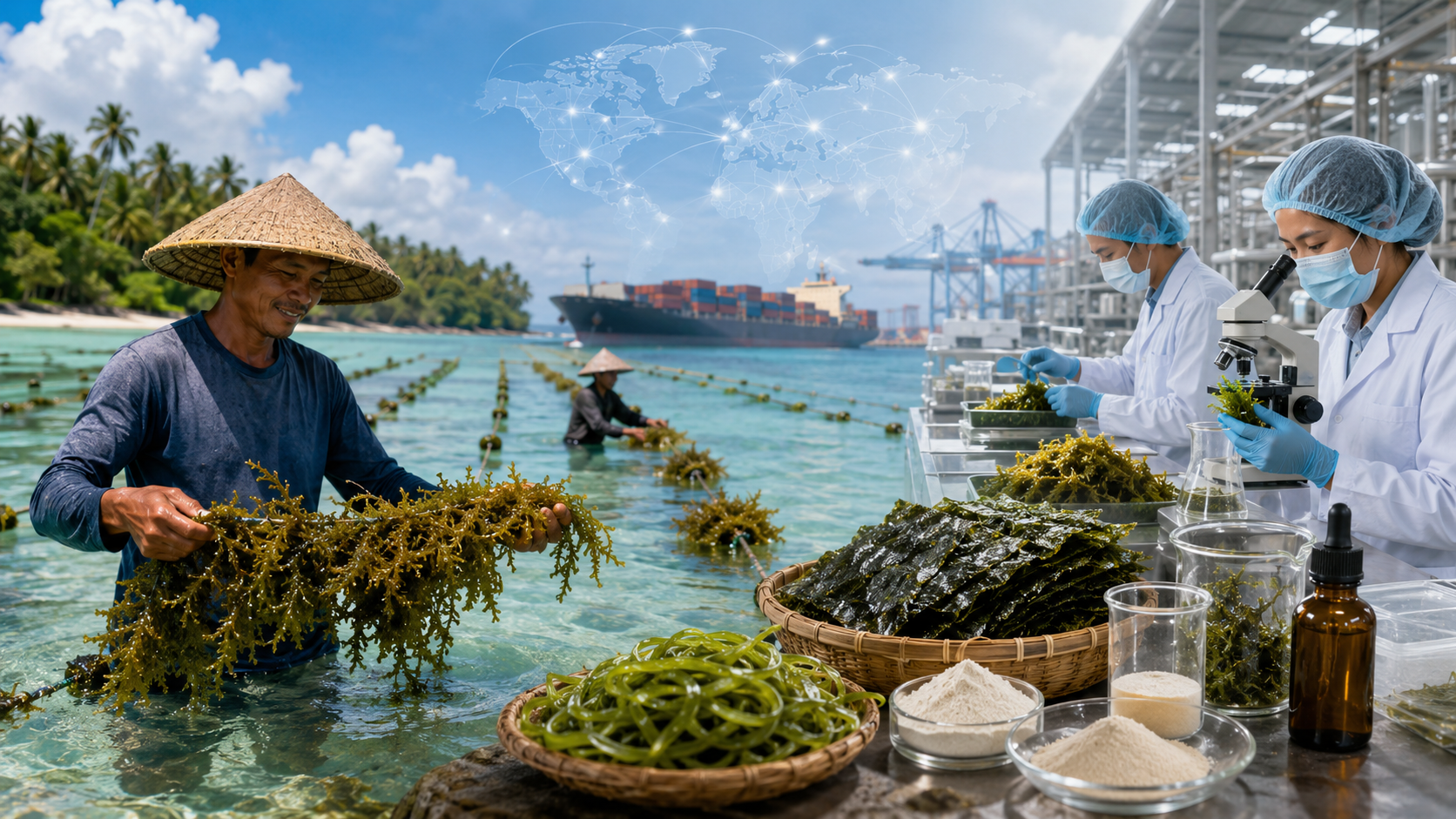
Indonesia’s seaweed industry is entering an important stage of transformation. Known as one of the world’s largest seaweed producers, Indonesia now faces a greater challenge: how to turn its strong production base into higher-value products, stronger food resilience, and greater global competitiveness.
This topic was discussed in INTROSEA Webinar Series #2, held online on Friday, 29 May 2026, under the theme “Transforming the Seaweed Industry to Support Food Self-Sufficiency and Global Competitiveness”. The webinar featured Prof. Grevo S. Gerung, Vice Chairman of INTROSEA, who delivered the opening speech, along with two key speakers: Boedi Sardjana Julianto, Director of JASUDA and Indonesian seaweed practitioner, and Cahyadi Rasyid, Assistant Deputy for Aquaculture Development at the Coordinating Ministry for Food Affairs.
Building on the first webinar, which discussed upstream–downstream regulatory synchronization, the second series focused on the next step: transforming Indonesia’s seaweed industry through value-added processing, product diversification, innovation, and stronger market development.
Seaweed and Indonesia’s Food Self-Sufficiency Agenda
Seaweed is no longer seen only as a marine commodity. It has become part of a wider conversation on food security, sustainable agriculture, coastal livelihoods, and the blue economy. As an aquatic resource, seaweed can support Indonesia’s food system transformation by contributing to nutritious food, inclusive economic growth, and sustainable resource use. Its cultivation also offers important advantages, as it does not require agricultural land or large amounts of freshwater.
This makes seaweed a strategic resource for Indonesia, especially as the country continues to strengthen food self-sufficiency and develop more sustainable sources of nutrition and economic growth.
From Production Volume to Value Creation
Indonesia has a strong position in global seaweed production. However, production volume alone is not enough to secure long-term competitiveness. One of the key issues highlighted in the webinar was the need to increase the added value of Indonesian seaweed. Much of Indonesia’s seaweed is still traded as raw material, while higher value is often created through processing, extraction, formulation, branding, and product innovation.
To move forward, Indonesia needs to strengthen the entire value chain, from seed quality and cultivation practices to processing, product development, traceability, and market access. This shift is essential to ensure that more economic value can be captured domestically and shared across the seaweed ecosystem.
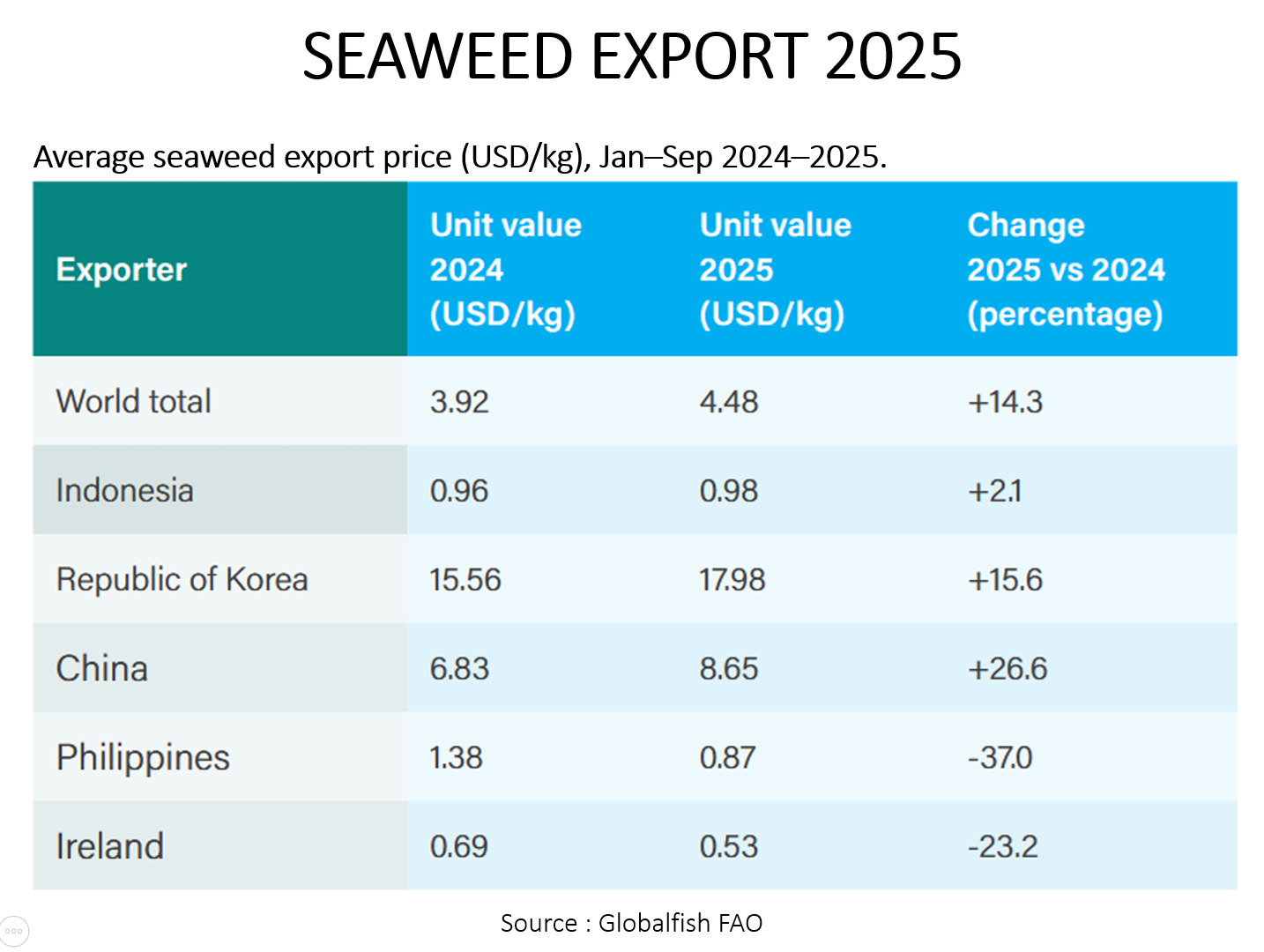
Image 1 : Indonesia’s seaweed export added value and unit value (USD/kg) remain low.
Diversifying Seaweed-Based Products
One of the biggest opportunities for Indonesia lies in product diversification. Seaweed can be developed into a wide range of products, including carrageenan, agar, alginate, biostimulants, biofertilizers, bioplastics, biomaterials, nutraceuticals, functional food, and animal feed additives.
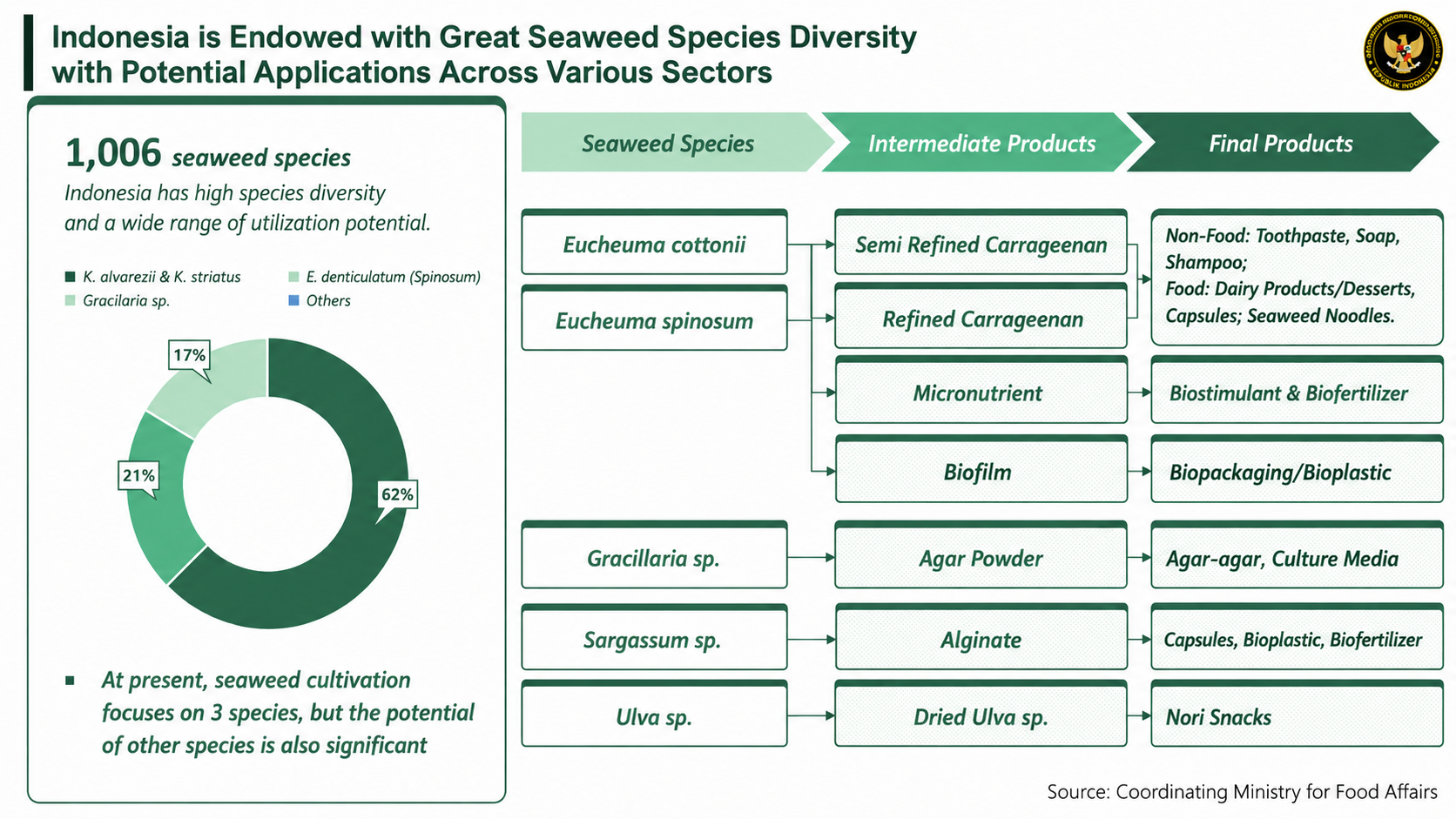
Image 2 : Indonesia’s seaweed species Diversity.
Indonesia also has strong biodiversity, with more than 1,000 seaweed species. While current cultivation is still focused on several major species, there is room to explore broader applications from other species such as Sargassum and Ulva. By developing more seaweed-based products, Indonesia can reduce its dependence on raw material exports and build a more resilient, innovation-driven industry.
Seaweed for Food and Nutrition
The webinar also highlighted the potential of seaweed as a source of food and nutrition. Seaweed-based products such as noodles, snacks, and meal components can help support food diversification while increasing the value of local seaweed resources.
When combined with protein, vegetables, and fruit, seaweed-based meals can contribute to more varied and nutritious diets. This creates an opportunity to connect seaweed cultivation with national food programs, community nutrition, and small business development.
In this context, seaweed can support both food self-sufficiency and coastal economic empowerment.
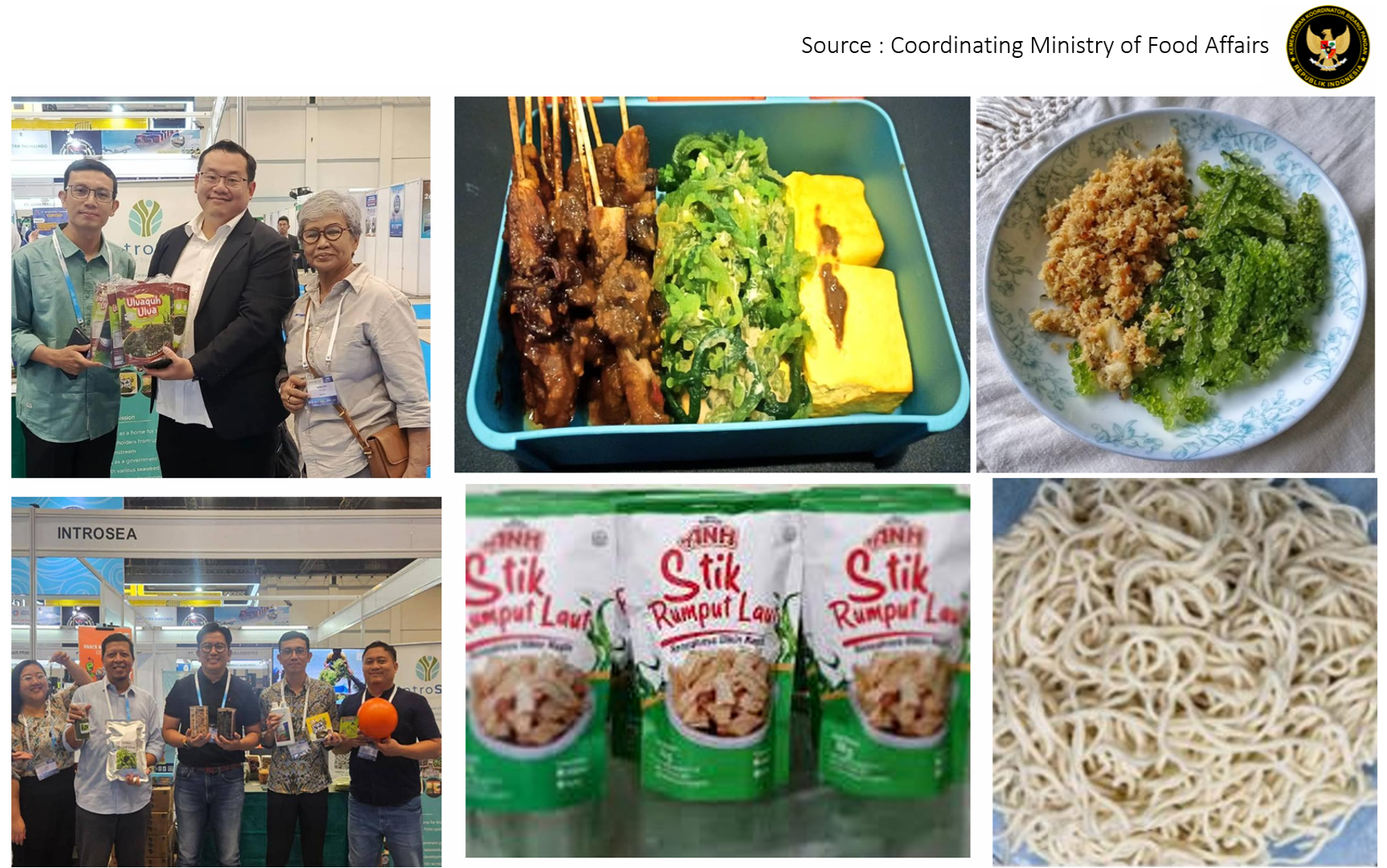
Image 3 : Alternative Seaweed Nutrition in Food Security.
The Opportunity of Seaweed-Based Biostimulants
Beyond food, seaweed also has strong potential in sustainable agriculture. Seaweed-based biostimulants and organic fertilizers can help improve nutrient efficiency, increase plant tolerance to environmental stress, and support better crop quality. This opportunity is important because it connects the seaweed sector with the agricultural sector. Seaweed can become a raw material not only for food and export products, but also for agricultural inputs that support national food production.
However, the development of this sector requires stronger regulatory readiness. The webinar noted the importance of clear technical standards, licensing coordination, and product registration mechanisms for seaweed-based biostimulants. With the right policy support, biostimulants could become one of the strategic downstream opportunities for Indonesia’s seaweed industry.
Innovation, Traceability, and Collaboration
Industrial transformation requires more than processing facilities. It also needs innovation, reliable data, traceability, skilled human resources, and strong collaboration among stakeholders. Traceability is becoming increasingly important as global buyers demand more transparency on product origin, quality, and sustainability. Better production data can also help improve planning, investment, certification, and supply chain coordination.
The webinar also emphasized the importance of knowledge sharing and innovation hubs. A seaweed innovation hub can support research and development, product innovation, business incubation, technical training, and partnerships between farmers, industry players, researchers, policymakers, and global partners. This kind of collaboration is essential to help Indonesia move from raw material production toward higher-value and globally competitive seaweed industries.
Moving Forward
INTROSEA Webinar Series #2 delivered a clear message: Indonesia has the foundation to become a stronger global player in the seaweed industry, but transformation is needed to unlock its full potential. The future of Indonesia’s seaweed sector will depend on its ability to improve cultivation, strengthen traceability, expand processing, diversify products, develop biostimulants and food applications, and build stronger collaboration across the ecosystem.
For Seaweed Connect, this discussion reinforces the importance of creating a connected platform where stakeholders can exchange knowledge, explore opportunities, and build partnerships. As Indonesia’s seaweed industry enters its next stage of transformation, collaboration will be key to turning potential into long-term impact.
Source: Webinar Series #2 materials from Introsea, May 29, 2026.
Contact Person : Sekretariat Introsea, Bapak Didit Adiputra
Other Article
Introsea Webinar Series #1 : Synchronization of Upstream–Downstream Regulations to Strengthen the Competitiveness of Indonesian Seaweed
2026-05-27

A Tribute to the Voices in "Stories of Hope for Our Ocean"
2025-11-20
Strengthening Regional Cooperation: Highlights from the 15th ASIC Meeting in Tawau
2025-09-18