
Pulau Lapang – Building a Sustainable Future through Seaweed and Eco-Tourism

2025-11-13
2025-11-13
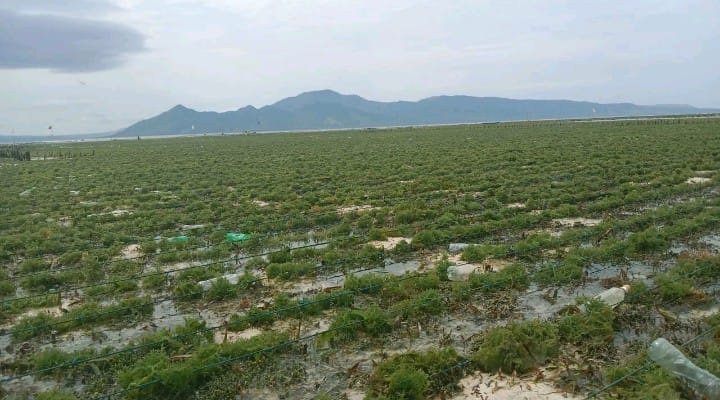
Nestled in the crystalline waters of Alor, East Nusa Tenggara, Indonesia, Pulau Lapang offers more than just pristine beaches and spectacular marine life, it holds the promise of a sustainable blue-economy model that blends seaweed cultivation, eco-tourism, and community empowerment.
At the heart of this initiative is Mr. Ismail Kedang, Chairman of PT Usaha Baru Baranusa, who envisions Pulau Lapang as a living example of how local communities can thrive by harmonizing marine conservation with sustainable business. His team cultivates Kappaphycus striatus, locally known as rumput laut sakol, a resilient seaweed species prized for its high-quality carrageenan used in food, cosmetics, and bioplastic industries.
With a cultivation cycle of only 50–60 days, sakol seaweed is both productive and environmentally adaptable. The project integrates traditional ecological knowledge such as "Mulung" — a customary practice of temporarily closing coastal waters to restore marine ecosystems, aligning well with Indonesia’s vision for a regenerative blue economy.
Investing in a Sustainable Coastal Economy
Pulau Lapang’s potential extends beyond seaweed farming. As part of a broader eco-investment initiative, PT Usaha Baru Baranusa is seeking to expand its operations through an investment that would strengthen local production capacity, improve post-harvest quality, and enhance livelihoods for coastal families in Pantar Barat, Alor.
Indonesia currently accounts for 65% of national aquaculture production, contributing million tons of seaweed annually. With global demand for carrageenan projected to reach USD 9.4 billion by 2025, initiatives like those in Pulau Lapang highlight how community-based seaweed cultivation can contribute to sustainable growth while protecting marine ecosystems.
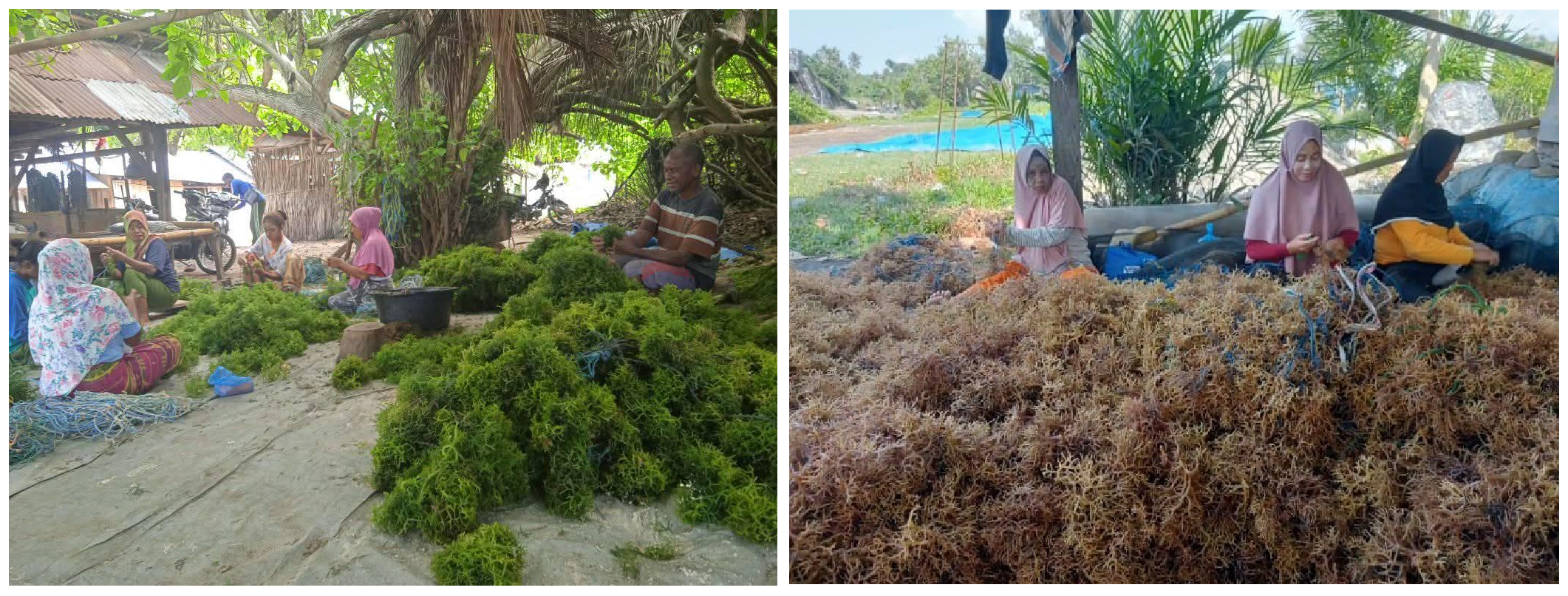
Where Tourism Meets Seaweed Innovation
Beyond the seaweed fields, visitors can experience Pulau Lapang’s natural and cultural treasures — from snorkeling and whale watching in Blangmerang Bay to exploring mangrove forests and surfing on Delaki Beach. The integration of tourism with local aquaculture creates a circular value chain: visitors learn about seaweed cultivation, buy local products, and directly support community livelihoods.
About the Project
🔹Lead Organization: PT Usaha Baru Baranusa
🔹Project Site: Pulau Lapang, Pantar Barat, Alor Regency, East Nusa Tenggara
🔹Main Commodity: Kappaphycus striatus (Sakol seaweed)
🔹Focus: Integrated Seaweed Farming and Eco-Tourism Development
🔹Contact: Ismail Kedang | +62 812 1635 4392
Other Innovation
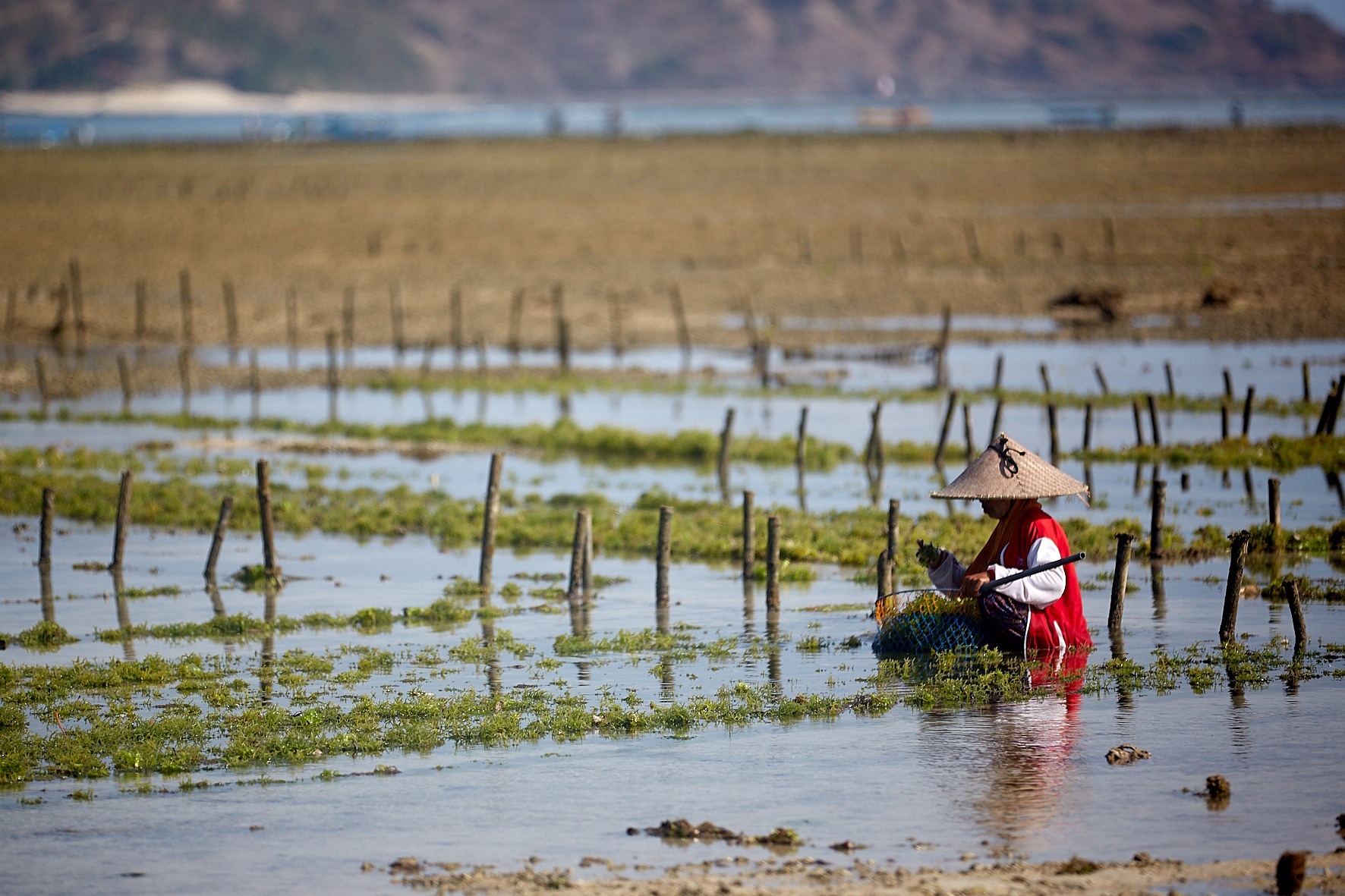
🌿Strengthening Seedstock Resilience: A Cooperative Eucheumatoid Hatchery for Southeast Asia
2025-10-17
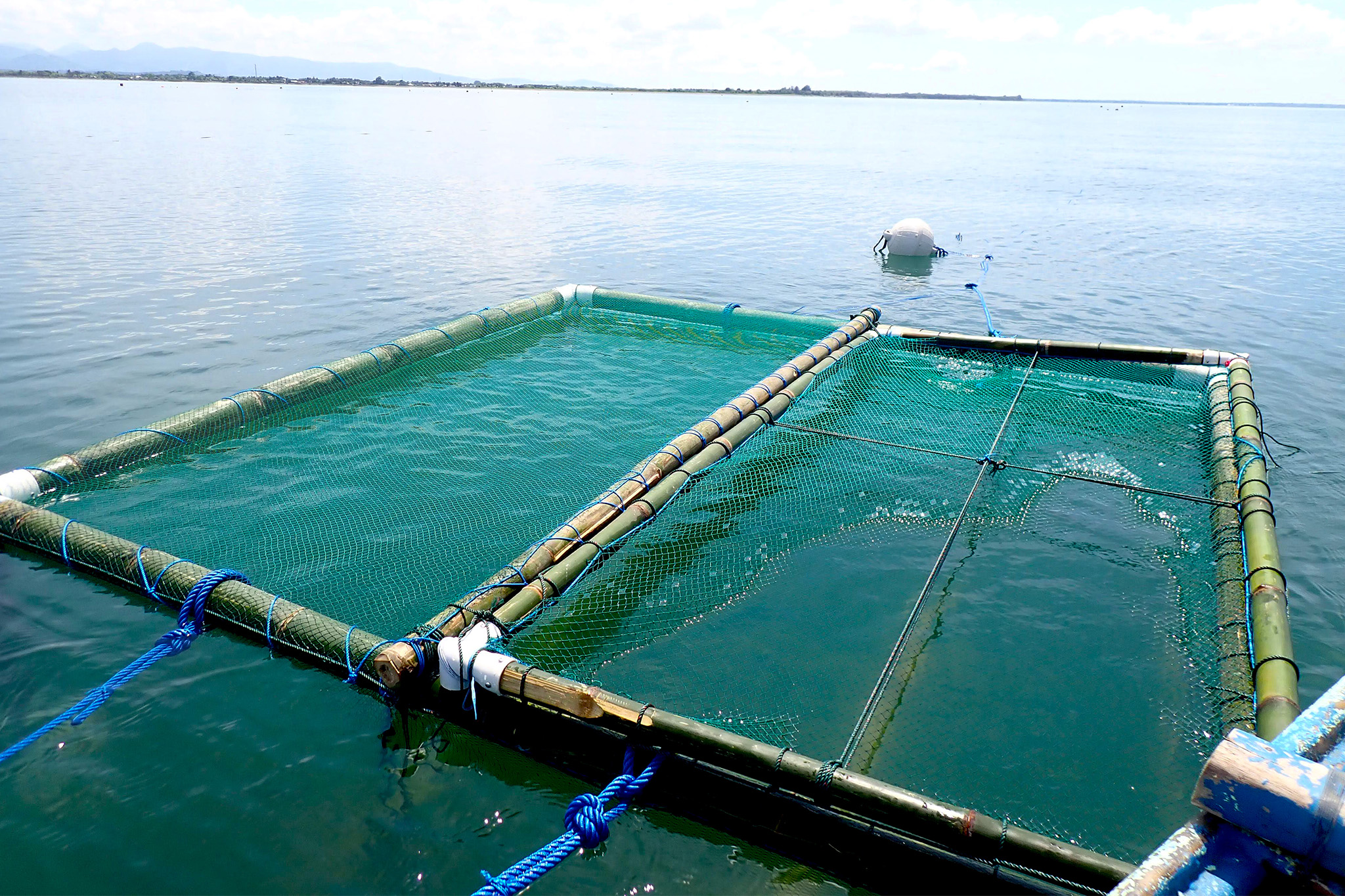
Rethinking Seaweed Farming: How Project SeaBox Is Charting a New Course for Coastal Livelihoods
2025-06-18